
OPTICAL ANTI-ALIASING FILTERS
Optical Filtering for Aliasing and Moiré Control
Mosaic Optoelectronics develops optical anti-aliasing filters for imaging systems where sensor sampling can produce moiré, false detail, and other spatial artifacts.
THE IMAGING PROBLEM
When Fine Scene Detail Interacts With the Sensor
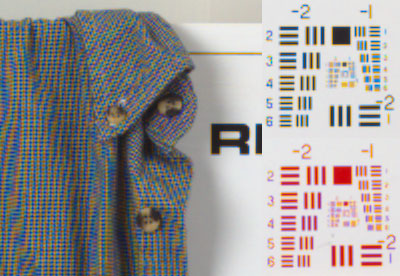
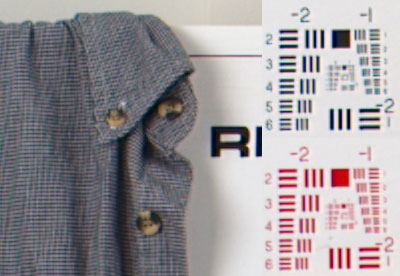
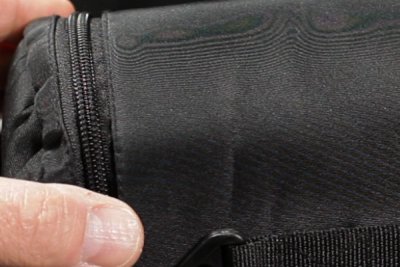
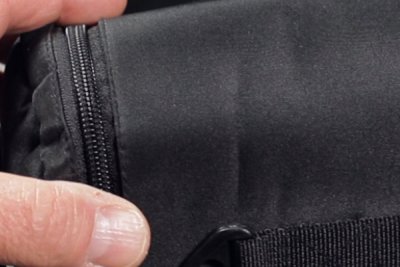
Digital sensors sample an optical image at discrete pixel locations. When scene detail approaches or exceeds the sampling capability of the sensor, artifacts can appear that are not present in the original scene.
OPTICAL LOW-PASS FILTERING
Managing Spatial Information Before Sensor Sampling
An optical anti-aliasing filter modifies the image before it reaches the sensor so that spatial frequencies likely to produce sampling artifacts are reduced.
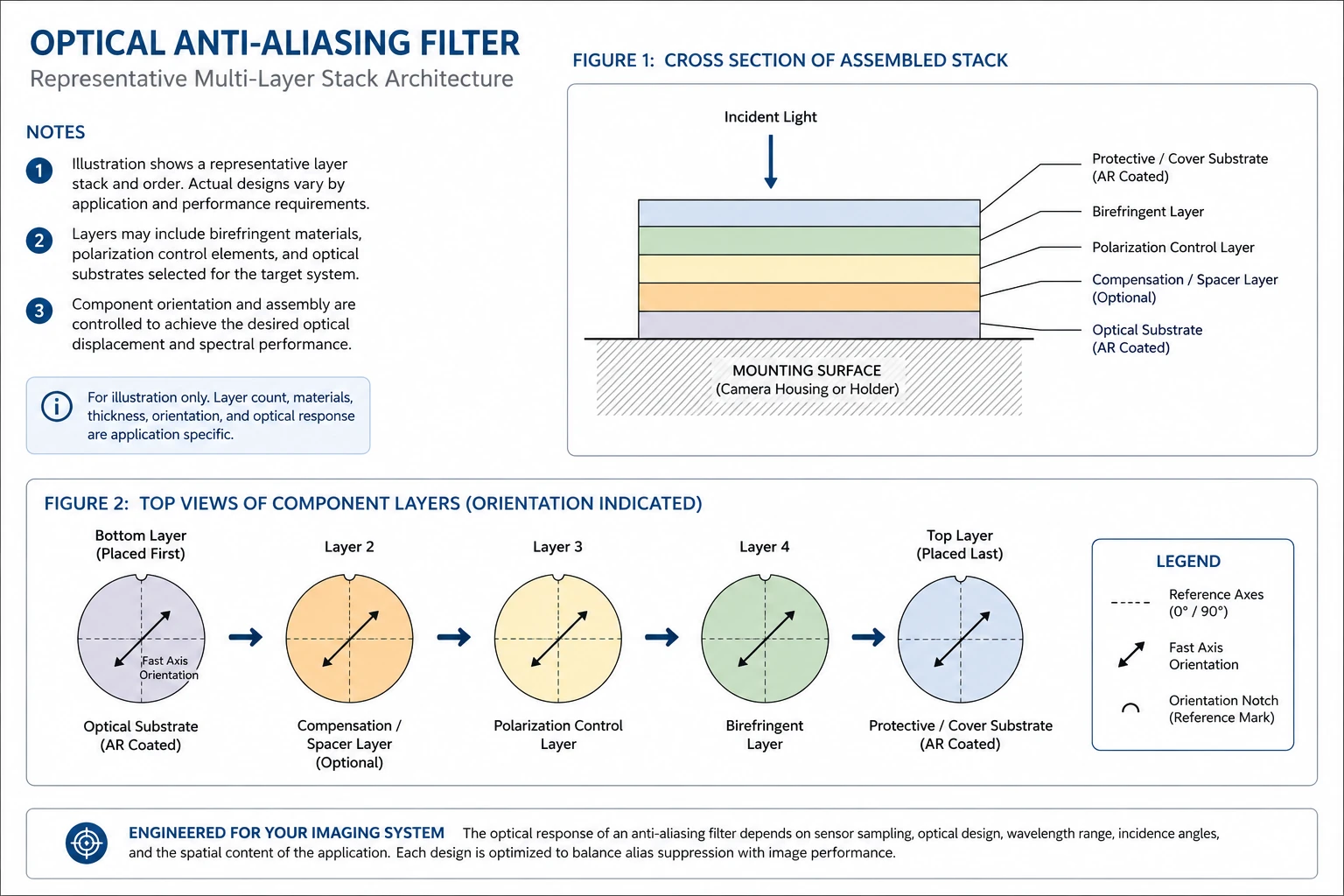
In birefringent filter designs, controlled beam displacement can be used to distribute optical information over neighboring sensor locations. The amount and direction of displacement depend on the optical material, orientation, thickness, wavelength, and stack configuration.
The objective is not simply to blur the image. The filter must provide enough optical spreading to reduce objectionable aliasing while preserving as much useful image information as practical.
BIREFRINGENT OPTICS
Controlled Beam Displacement
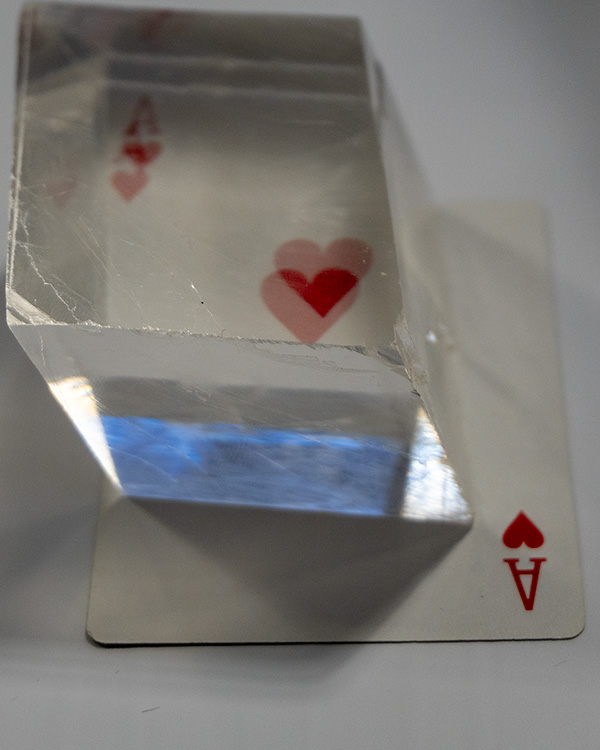
Birefringent materials can separate light into components that travel through the crystal with different optical behavior.
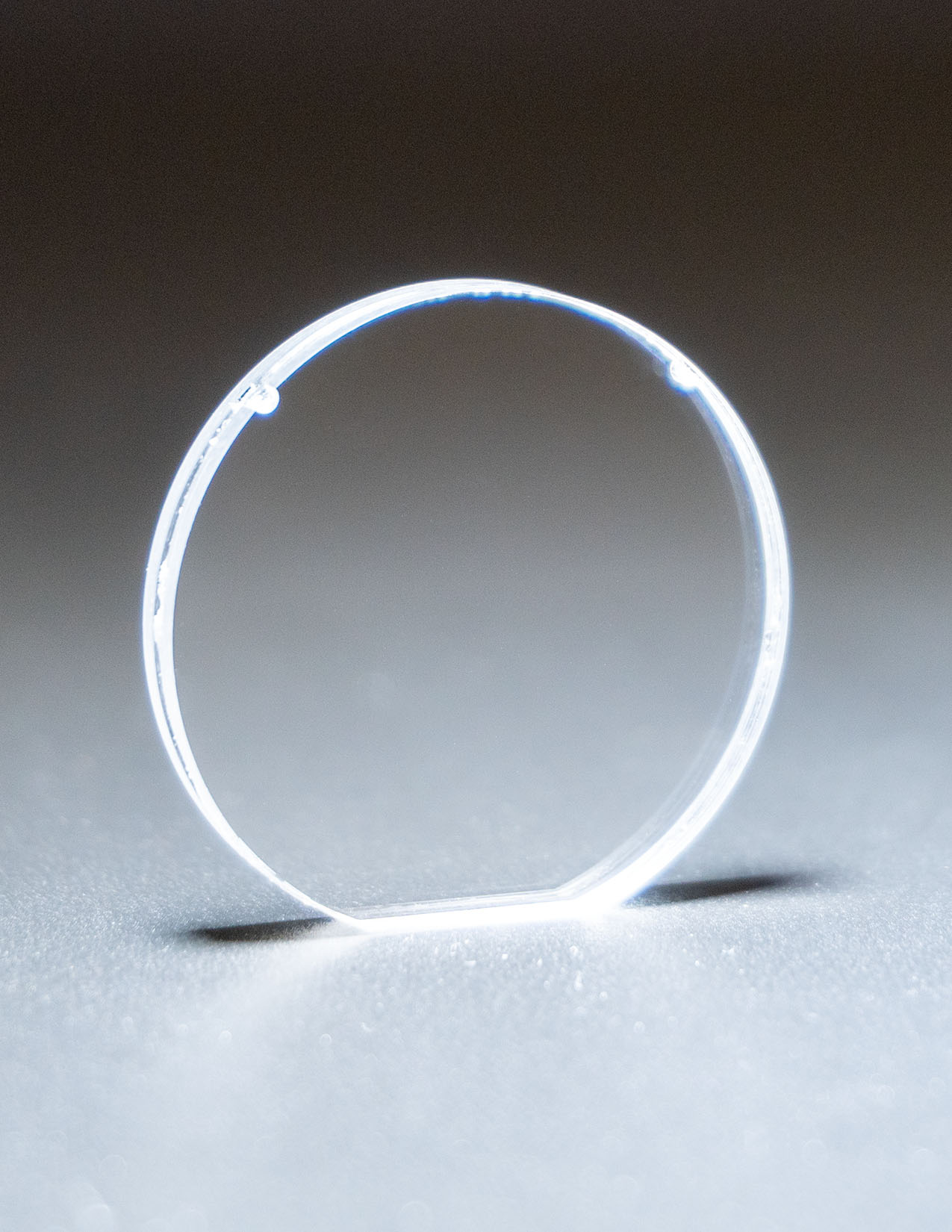
In an anti-aliasing filter, that behavior can be engineered to produce controlled lateral displacement of image information. Multiple birefringent elements may be arranged to produce the desired spatial distribution in more than one direction.
Crystal orientation, material properties, element thickness, wavelength, and polarization behavior all influence the result.
FILTER DESIGN
The Correct Filter Depends on the Complete Imaging System
Optical anti-aliasing behavior cannot be selected from sensor resolution alone. The useful design depends on the interaction between the sensor, lens, scene content, wavelength, and required image performance.
Sensor Sampling
Pixel pitch, sensor geometry, and sampling characteristics influence the spatial frequencies where aliasing may become significant.
Optical System
Lens performance, magnification, aperture, wavelength, and object detail all affect the image presented to the sensor.
Required Filter Strength
The desired balance between image detail and artifact suppression determines how strongly the optical image should be redistributed.
SYSTEM INTEGRATION
Designed Around the Available Optical Path
Anti-aliasing filters may need to fit within an existing lens, camera, sensor package, or custom optical assembly. Mechanical integration is therefore part of the optical design problem.
APPLICATION-SPECIFIC CONFIGURATIONS
Custom Filter Geometry and Optical Behavior
Many anti-aliasing requirements do not map cleanly to a single standard filter configuration.
A filter may involve multiple birefringent elements, polarization control, wavelength-specific considerations, mechanical packaging, or other optical functions depending on the imaging system.
For custom work, the starting point is the imaging requirement rather than a fixed catalog configuration.
APPLICATIONS
Where Optical Anti-Aliasing Can Be Useful
Optical anti-aliasing is most relevant where fine repeating detail, sensor sampling, or high-frequency scene information can interfere with reliable imaging.
Machine Vision
Industrial imaging systems evaluating repeating features, edges, textures, or fine patterned structures.
Electronics Inspection
Imaging of circuit patterns, component arrays, fine conductors, grids, and other repetitive structures.
Scientific Imaging
Imaging systems where sampling artifacts could interfere with measurement, interpretation, or visualization.
Specialized Imaging
Custom cameras and sensing systems where optical sampling behavior must be managed as part of the overall design.
STARTING A FILTER PROJECT
Useful Information for Evaluating an OLPF Requirement
The more information available about the imaging system, the easier it is to determine whether optical anti-aliasing is appropriate and what level of filtering may be useful.
- Sensor model, format, and pixel pitch
- Image examples showing the aliasing or moiré problem
- Lens and magnification information
- Operating wavelength or spectral range
- Available filter dimensions and optical-path space
- Desired balance between image detail and artifact suppression
- Prototype and expected quantity requirements
OPTICAL ANTI-ALIASING
Seeing Moiré or Sampling Artifacts in Your Imaging System?
Share the sensor information, optical configuration, and example image artifacts. We can help evaluate whether an optical anti-aliasing approach is appropriate for the application.